







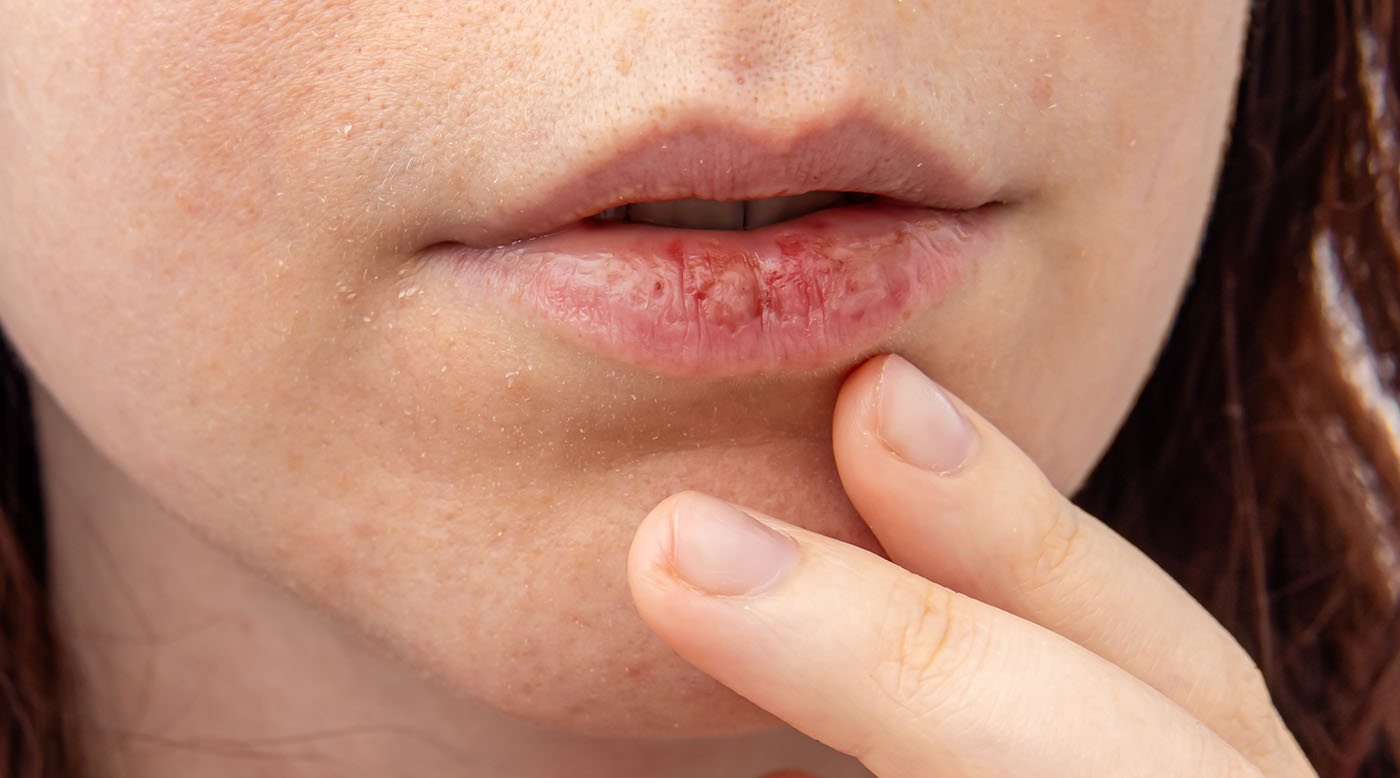
A dry mouth is one of those issues that many people only take seriously when it really becomes bothersome. You wake up feeling like your mouth hasn't seen any moisture all night. You drink, but it only gets better for a short time. Perhaps a furry feeling in your mouth, a scratchy throat, or you suddenly notice that your breath quickly becomes unpleasant. Dry mouth in spring is not uncommon, even if you don't immediately associate it with the season.
In this article, we'll explain why dry mouth can occur in spring, what triggers are most common during this season, what you can really do in your daily life, and when it makes sense to take a closer look. We'll also show you a gentle care routine that soothes teeth and gums when everything feels more sensitive.
Why dry mouth is not just uncomfortable
Saliva is more than just moisture. It's a natural protective film. It rinses, neutralizes acids, supports the mineralization of tooth enamel, and keeps the balance of the oral flora stable. When saliva is lacking, this balance noticeably changes. A dry mouth means less protection for teeth and gums. And that's precisely why it's worth seeing the issue as more than just a comfort problem.
Dry mouth can lead to plaque building up on your teeth faster, gums feeling more sensitive, and bad breath developing more easily. Many people notice this especially in spring because the body as a whole is adapting, more outdoor activities are happening, and mucous membranes can react more sensitively to wind, pollen, and temperature changes.
Common triggers for dry mouth in spring
Dry mouth in spring often doesn't have a single cause but arises from several small factors that suddenly overlap. Many notice it particularly in the morning because the mouth produces less saliva at night anyway. If dry air, pollen, or altered breathing are added, the mouth quickly feels dry, furry, or irritated upon waking. And if there's also a slight burning sensation, it's often a sign that the mucous membranes are currently more sensitive.
A common spring trigger is allergies. If your nose is irritated by pollen, you automatically breathe more through your mouth, especially at night. Mouth breathing dries out the mucous membranes significantly more than nasal breathing. In addition, some allergy medications can further reduce saliva production. More mouth breathing plus less saliva is a typical combination when dry mouth suddenly starts in spring.
The weather itself also plays a role. Wind and changing temperatures dry out mucous membranes, especially if you spend a lot of time outdoors. Many people drink more during this time than in winter, but not always regularly enough. And then there are the everyday classics that often increase in spring. Coffee, stress, many appointments, sometimes even alcohol on weekends. All of this can easily dehydrate the body or further irritate the mucous membranes.
Also not to be underestimated are medications and certain health factors. Blood pressure medications, antidepressants, certain sprays, or allergy medications can intensify dry mouth. If you snore a lot or often sleep with your mouth open at night, your mouth will also dry out faster. If dry mouth becomes persistent or significantly worsens, it's worth considering these background factors.
And another point that is often overlooked: overly aggressive oral care. Very strong toothpastes, strong menthol products, or alcohol-containing rinses can further irritate mucous membranes. This creates a feeling of dryness or burning, even though you are actually caring for your mouth. In such a phase, a gentler routine that doesn't additionally stress the mucous membranes usually helps.
What really helps: immediate measures and daily tips against dry mouth
When your mouth is dry, you want one thing above all: for it to feel normal again quickly. And yes, drinking water is important. But often it's not enough to drink a large glass once and then hope it goes away. Dry mucous membranes need more consistent support. The mouth loves small, regular impulses more than rare large ones. And that's the good news, because it's easier in everyday life than it sounds.
The first step is trivial but effective: frequent small sips of water throughout the day. Especially if you talk a lot, are on the go a lot, or have allergy symptoms, it helps to moisten your mouth regularly. If you wake up with dry mouth in the morning, a glass of water right by the bed can also be useful. Not as a cure, but as a small relief before the day starts.
The air also plays a role. If you feel that dry mouth is particularly strong in the evening or at night, it's worth checking the room air. Dry heating air, a warm room, or a fan can dry out mucous membranes. A humidifier isn't necessarily required, but a calmer room climate can noticeably help. If the night gets drier, the morning usually gets drier too.
Then comes the question of coffee and co. Many notice that dry mouth in spring becomes stronger if coffee, black tea, or alcohol are consumed more frequently. You don't have to cut anything out completely, but you can compensate. A glass of water with it, conscious breaks, and not just caffeinated drinks all morning. Sometimes that's already the decisive difference.
Another lever is breathing. If your nose is irritated by pollen and you breathe more through your mouth at night, it's worth supporting nasal breathing. This can mean changing your sleeping position, caring for your nose before sleeping, or properly managing treatment for severe allergies. The more mouth breathing, the more dryness. And sometimes that's the core of the problem, not the mouth itself.
And then oral hygiene. If you are currently experiencing a burning sensation or sensitive mucous membranes, it can help to reduce anything that additionally irritates them. Very strong menthol toothpastes, aggressive whitening products, or alcohol-containing mouthwashes are often not helpful in this phase. A gentle routine is usually the better choice here.
Gentle care routine: when dry mouth makes teeth and gums more sensitive
When the mouth is dry, teeth and gums often feel sensitive more quickly. Plaque adheres more easily, the gum line reacts more sensitively, and some suddenly notice that their mouth no longer feels clean, even though they are brushing normally. This is not because you are brushing worse. It's because the natural protective film is missing. When saliva is lacking, you need a routine that is thorough but does not additionally irritate the mucous membranes.
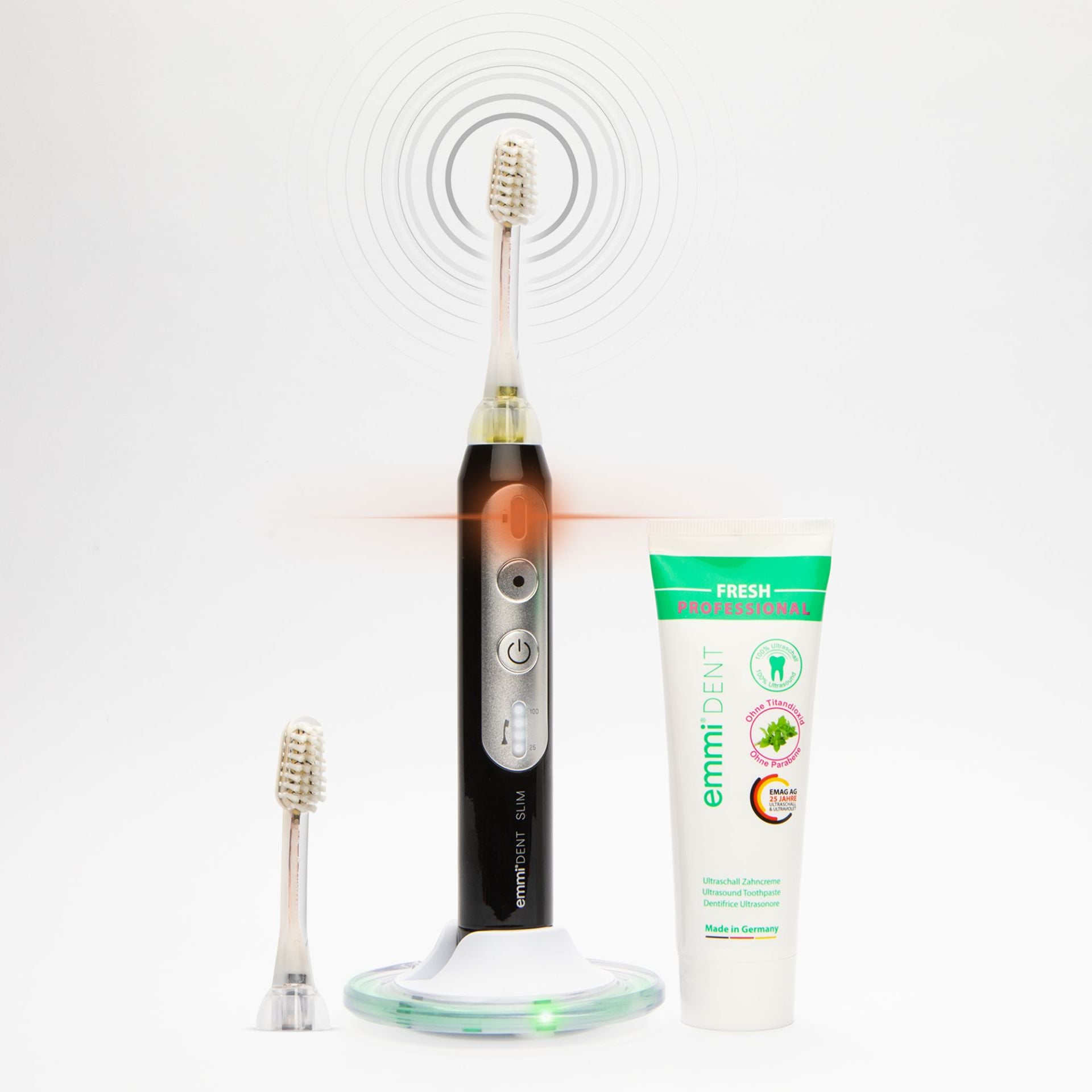
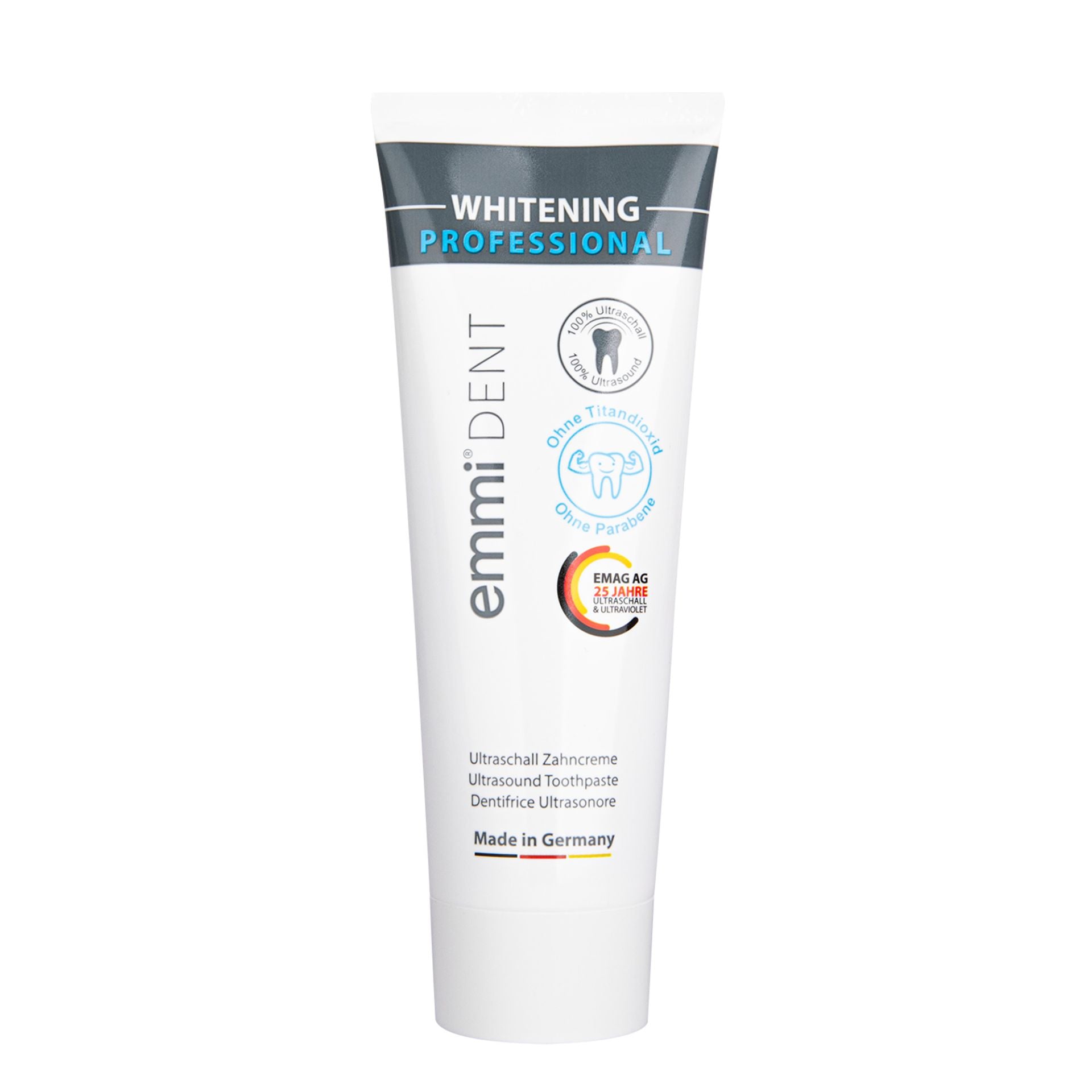
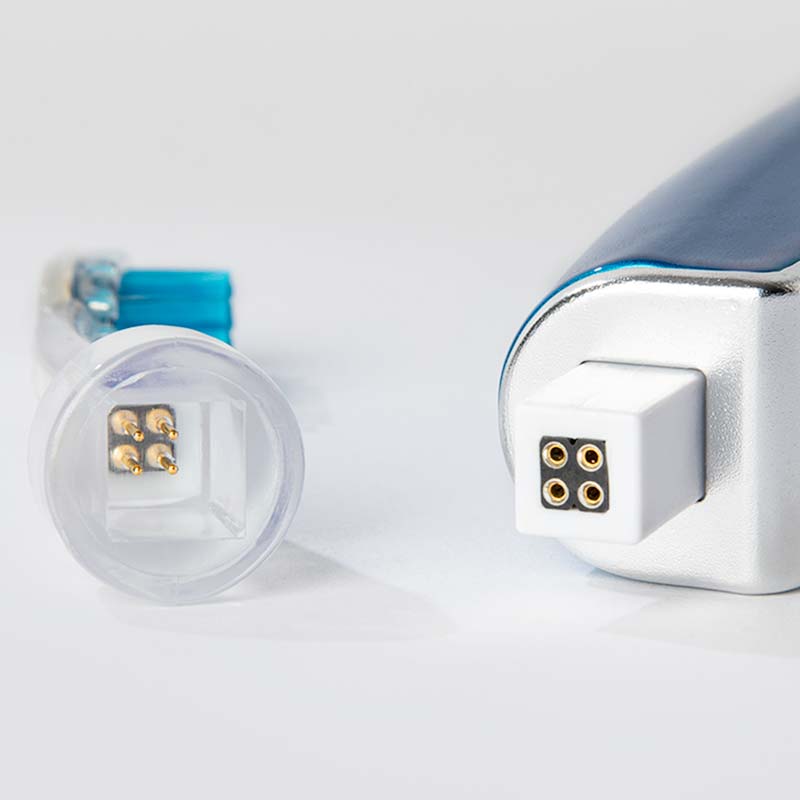
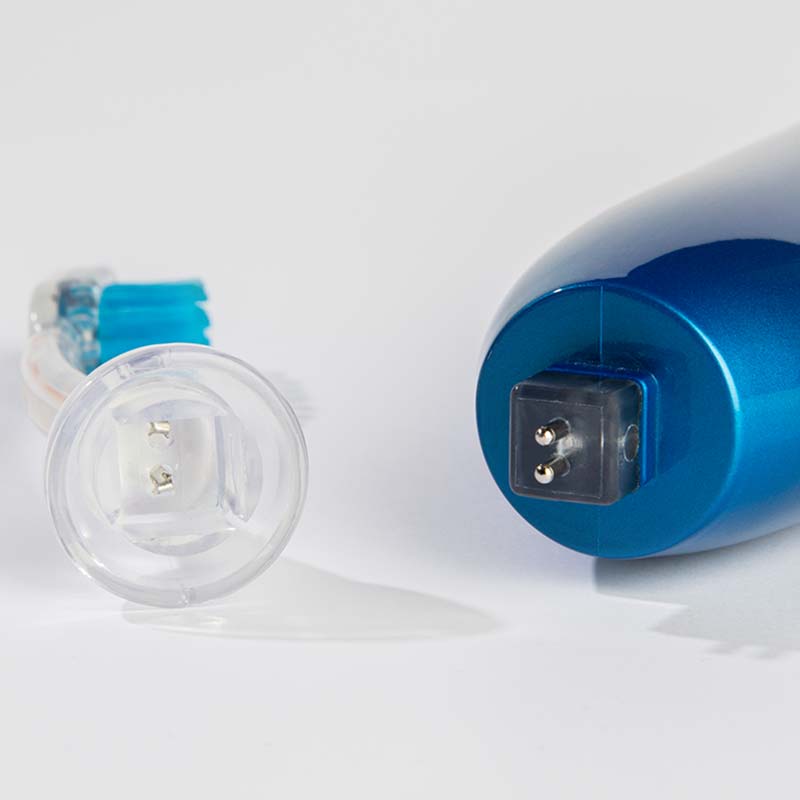
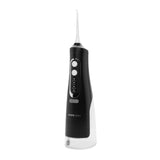
Precisely here, a gentle ultrasonic routine can be helpful. With our emmi-dent Slim, you can clean without mechanical scrubbing. This is particularly pleasant if your mouth feels dry and irritated, because you create less friction on the gum line. In combination with our emmi-dent ultrasonic toothpaste, you get care that is tailored to ultrasonic technology and is well suited for sensitive phases. You reduce pressure without compromising on thoroughness.
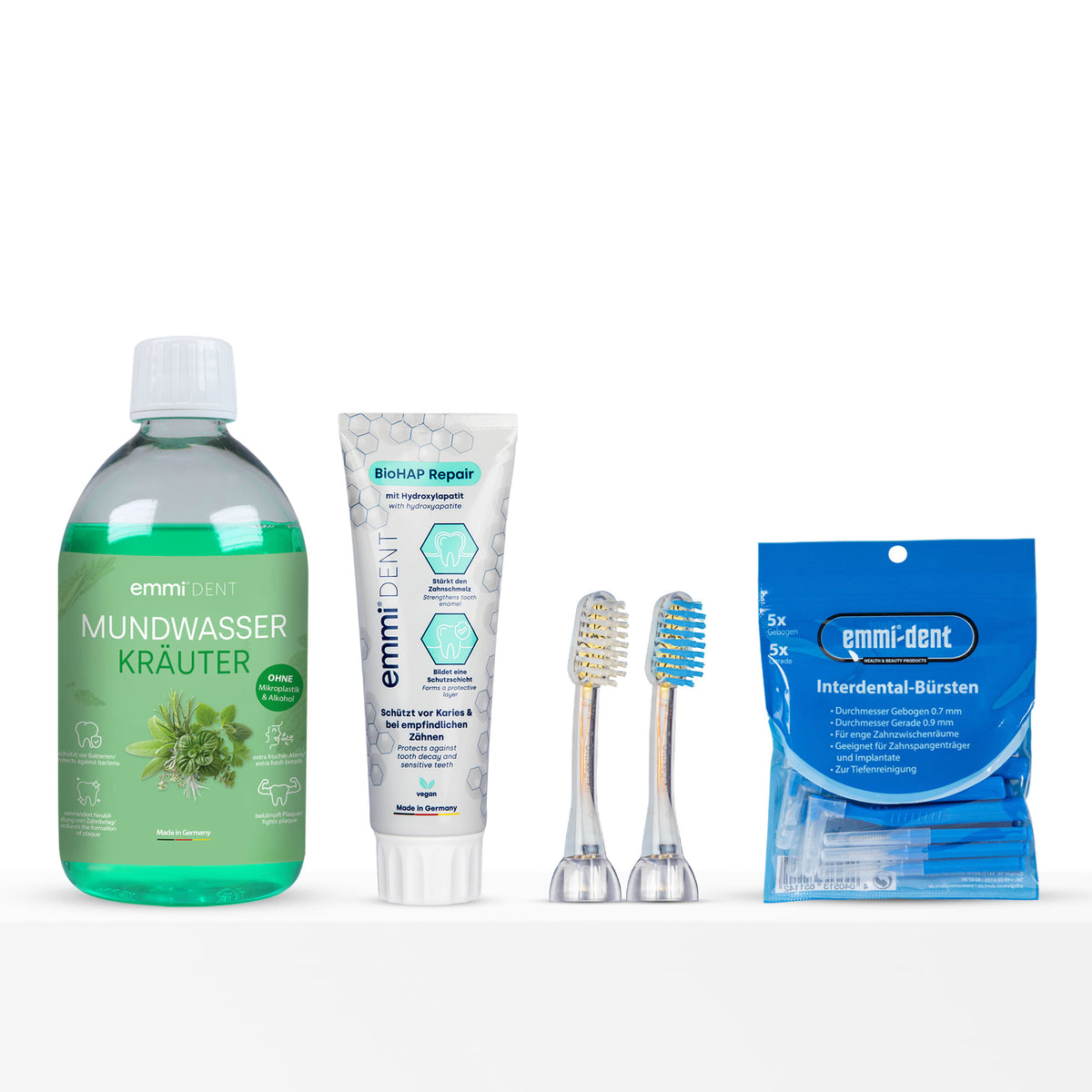
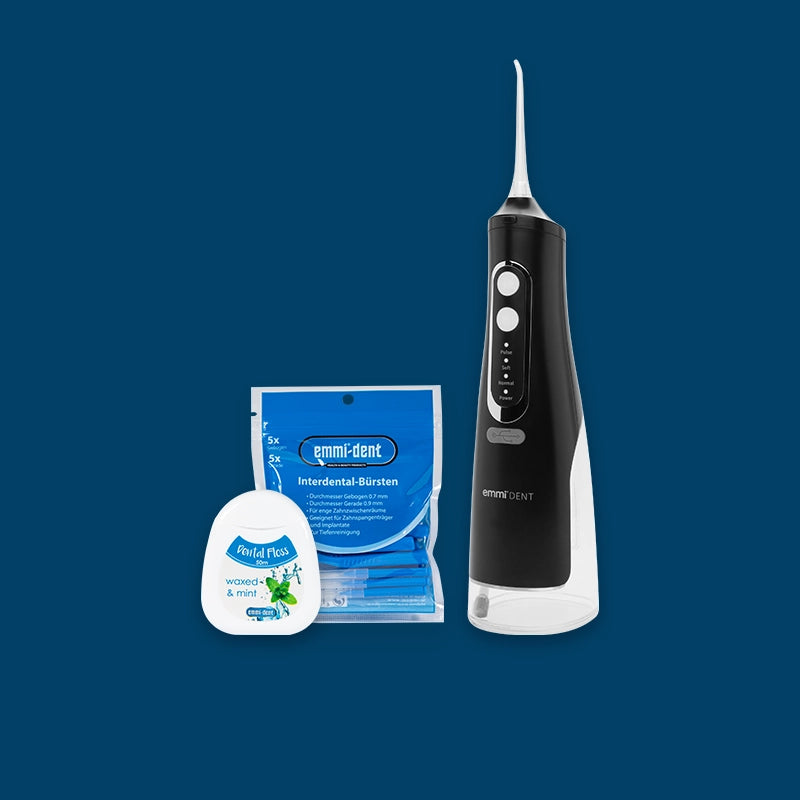
If you like things practical and consistent, our emmi-dent Sets are a good solution because they provide you with the building blocks for a coherent routine. Especially if you notice in spring that your mouth reacts more sensitively, a clear routine is often more reassuring than constant changes.
When you should get it checked out
Dry mouth in spring is often easily explainable and often manageable. Nevertheless, there are situations where waiting is not the best strategy. Especially if the feeling is not just dry, but truly distressing, or if you notice that the situation does not improve for weeks. Persistent dry mouth should be medically clarified, because saliva has a central protective function. And if this protection is permanently lacking, clarity is better than guesswork.
Clarification is useful if you feel that you have hardly any saliva, if swallowing or speaking becomes noticeably uncomfortable, or if you regularly experience inflammation, cracks, canker sores, or a burning sensation in your mouth. Also, if dry mouth clearly started at the same time as a new medication, it is helpful to address this. Sometimes something can be adjusted, sometimes targeted countermeasures can be taken.
If you also notice strong bad breath, frequent gum irritations, or the feeling that your teeth are suddenly reacting significantly more sensitively, this is also a reason not just to drink, but to look at the overall situation. Because dry mouth can noticeably affect dental health, even if it initially only seems like a comfort problem.