












Many people focus on their endurance, muscles, and diet when exercising. The mouth is often overlooked in this process. However, workouts can indeed influence the oral environment. Some people notice a dry mouth after exercise, others observe more plaque on their teeth, or feel that their teeth are more sensitive than usual.
These changes do not occur by chance. During physical exertion, the body's fluid balance changes. At the same time, breathing intensely through the mouth is common, especially during endurance training or higher intensity activities. In addition, there are sports drinks, energy drinks, or isotonic drinks, which often contain sugar or acids.
The good news is that many of these influences can be understood and specifically taken into account. Knowing how exercise and oral health are related can help you support your teeth and gums effectively, even with an active lifestyle.
In this article, we explain why your mouth might feel different during or after exercise, what changes occur in the oral cavity, and how you can maintain your oral health even with regular training.
What happens in the mouth during exercise?
During physical activity, the entire organism works differently than at rest. Heart rate, breathing, and metabolism are ramped up to supply the body with sufficient oxygen and energy. These changes also affect the oral cavity.
After a short time, the body begins to lose fluid through sweating. If this loss is not adequately compensated, saliva production can temporarily decrease. This is often where the change in mouthfeel begins. The mouth feels drier, the mucous membranes feel less moistened, and some people notice an unpleasant taste.
However, saliva performs important protective functions. It helps neutralize acids, remove food debris, and support the natural balance of the oral flora. If the available amount of saliva decreases, these protective mechanisms change, at least temporarily.
Additionally, many people breathe more through their mouths during exercise. Especially when jogging, cycling, or performing intense fitness exercises, more air reaches the oral mucous membranes directly. This can lead to further dehydration of the oral cavity.
Therefore, some athletes report a dry mouth, a furry feeling on the tongue, or an altered perception of their teeth after training. These changes are often temporary but show how closely physical activity and oral health are linked.
Why do dehydration and mouth breathing affect the oral environment?
One of the most important factors for changes in the mouth during exercise is fluid loss. Even with moderate physical activity, the body loses water through the skin and breathing. Depending on training intensity, outside temperature, and individual predisposition, these losses can be considerable. If not enough is drunk, this often becomes noticeable in the mouth.
Saliva consists mostly of water. If the body lacks fluid, saliva production can temporarily decrease. As a result, the mucous membranes are less moistened, and the natural cleansing function of saliva works less effectively. Many athletes then notice a dry or sticky mouthfeel, especially after longer training sessions.
In addition, there is mouth breathing. During calm exertion, breathing often occurs predominantly through the nose. However, with increasing intensity, breathing through the mouth becomes more frequent to meet the increased oxygen demand. This causes air to constantly flow over the mucous membranes, further depriving them of moisture.
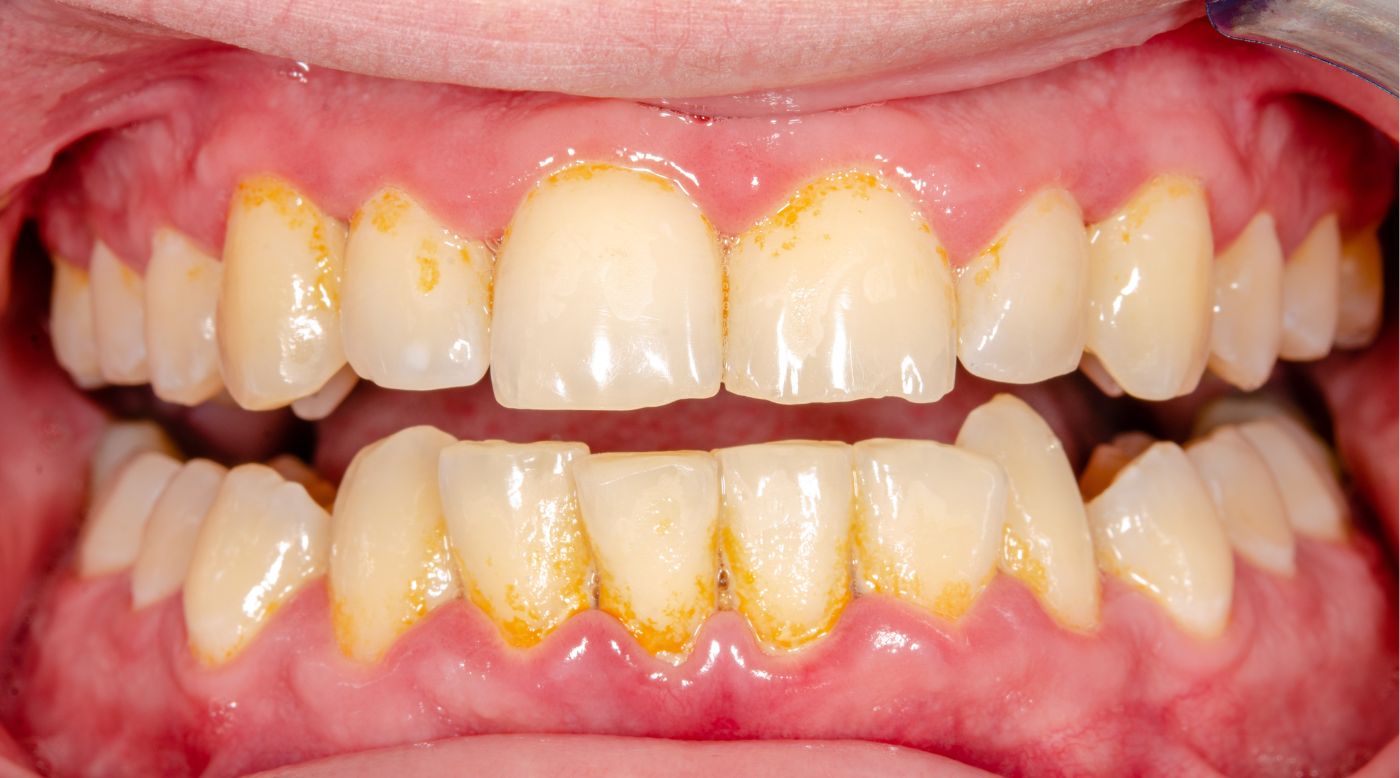
This combination of reduced salivary flow and increased mouth breathing noticeably changes the oral environment. Bacteria sometimes find different growth conditions in drier environments, which can make plaque or bad breath more noticeable. Sensitive tooth surfaces can also be perceived more strongly after training.
Especially in sports with long exertion times, such as running, cycling, or triathlon, many people report such changes. This does not automatically mean that a disease is present. However, it shows how important adequate fluid intake is for oral health.
What role do sports drinks and energy drinks play?
Many people reach for isotonic drinks, energy drinks, or special sports drinks during or after training. These products are intended to support fluid and mineral balance. However, they do not only bring advantages for oral health.
Many sports drinks contain sugar, fruit acids, or other acidic components. These can affect the natural balance in the mouth. If such drinks are consumed in sips over a longer period, repeated acid contact occurs on the tooth surfaces. This gives saliva less opportunity to stabilize the pH value in the mouth.
Especially during sports, this effect is often stronger because less saliva is available at the same time. The natural protective function of the mouth is therefore working during a phase where additional stress can occur.
This does not mean that sports drinks must be avoided altogether. Rather, conscious consumption is worthwhile. Drinking water after consumption can help dilute residues in the mouth and re-moisten the mucous membranes. The quantity and frequency also play a role.
Many people also underestimate the effects of energy drinks before training. In addition to sugar and acids, they often contain high amounts of caffeine. This can contribute to a stronger feeling of dryness in the mouth for some people.
Oral health during sports is therefore influenced not only by exercise but also by the drinks consumed around training. Those who understand these connections can make conscious decisions and avoid unnecessary stress for teeth and gums.
How can you support your oral health during training?
Those who exercise regularly can do a lot for their oral health with a few simple measures. It's not about avoiding every stress, but about optimally supporting the natural protective mechanisms of the mouth.
The most important foundation remains adequate fluid intake. Even slight dehydration can affect saliva production. Therefore, it is advisable to drink enough water before, during, and after training. This not only supports physical performance and regeneration but also keeps the mucous membranes in the mouth moist.
The choice of drinks also plays a role. If sports drinks or energy drinks are consumed, this should be done as consciously as possible. Water remains the best choice for many training sessions. After acidic drinks, it can be helpful to rinse the mouth with water to dilute residues and stabilize the oral environment again.
In addition, consistent oral hygiene is worthwhile. After training, plaque and bacteria often accumulate, especially if the mouth has been dry for a long time. At the same time, teeth should not be brushed intensively immediately after consuming highly acidic drinks, as the tooth surfaces may be temporarily more sensitive.
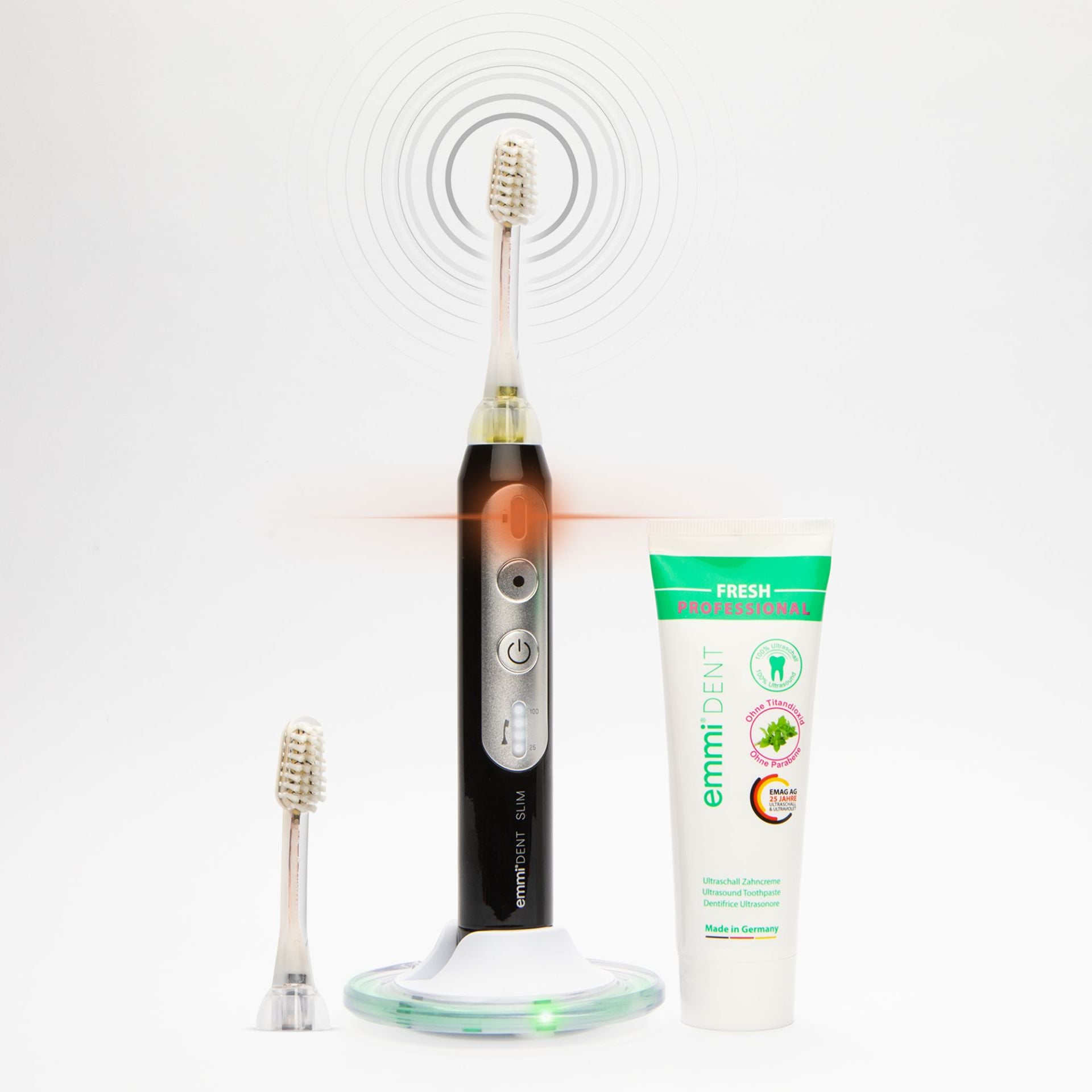
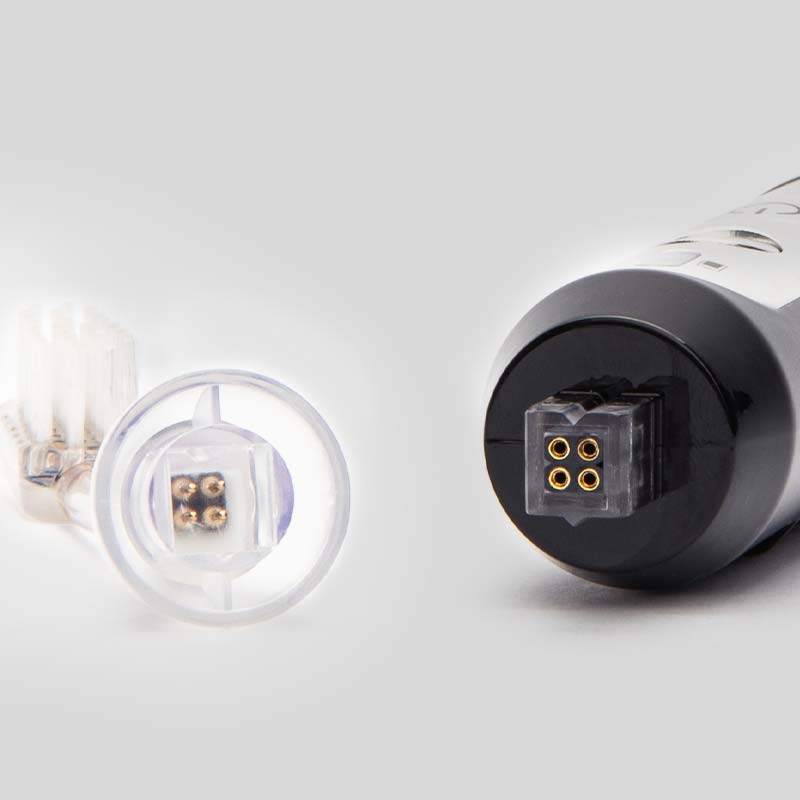
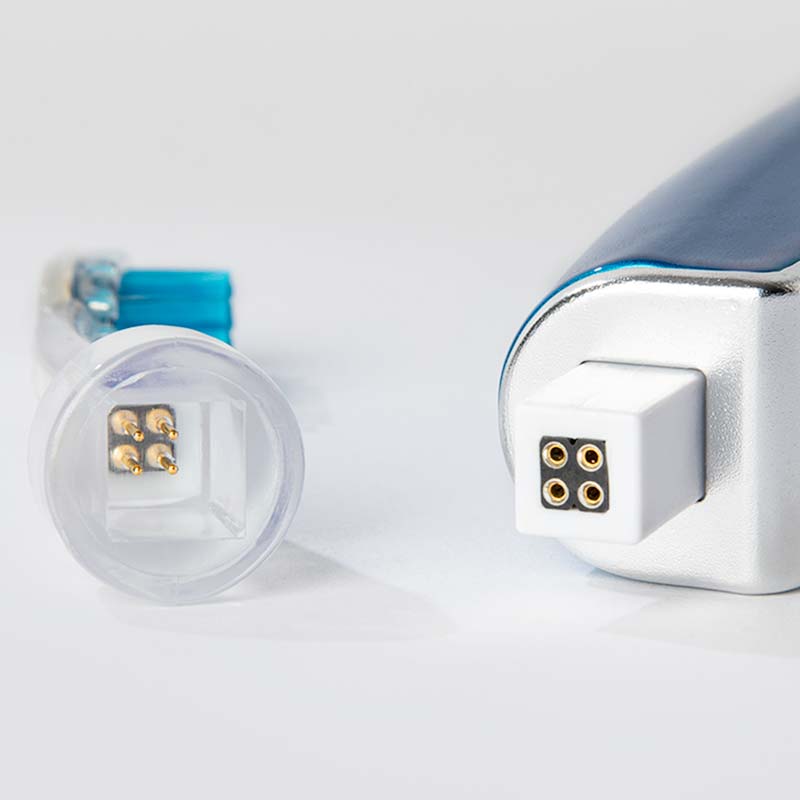
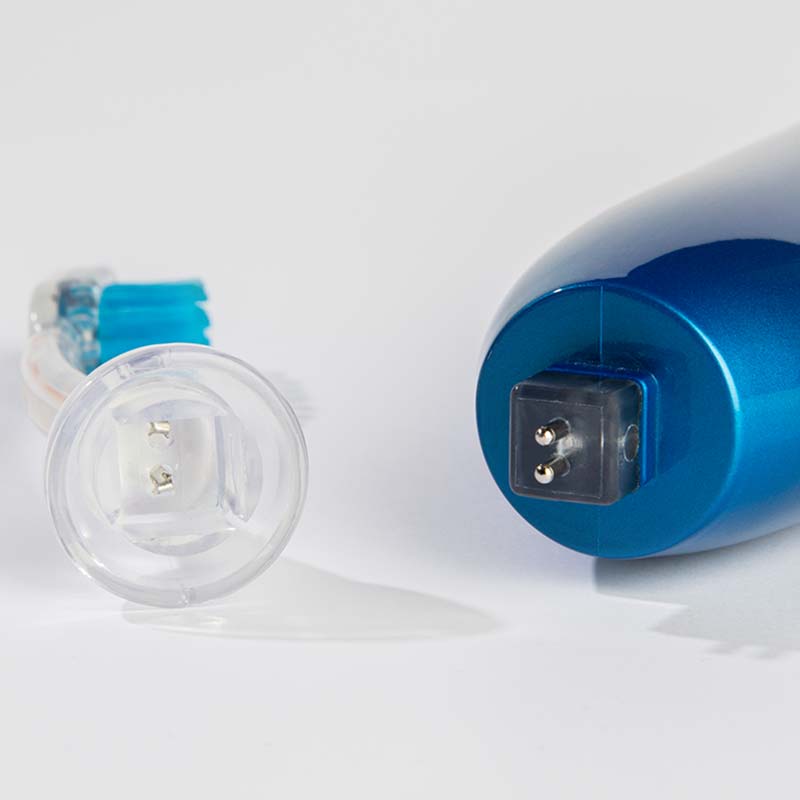
Many people therefore pay attention to particularly gentle cleaning methods. The emmi-dent Slim ultrasonic toothbrush is used by many users as a support, as it works without classic mechanical brushing movements and can help reduce bacterial plaque. In contrast to conventional sonic toothbrushes, cleaning is based on ultrasonic technology and not primarily on fast brush movements. Regardless of the system used, regular dental care remains an important part of good oral health.
When do changes in the mouth become problematic?
A dry mouth after a long run or an altered mouthfeel after intense training are not unusual at first. Many of these changes disappear once the fluid balance is restored and saliva production normalizes.
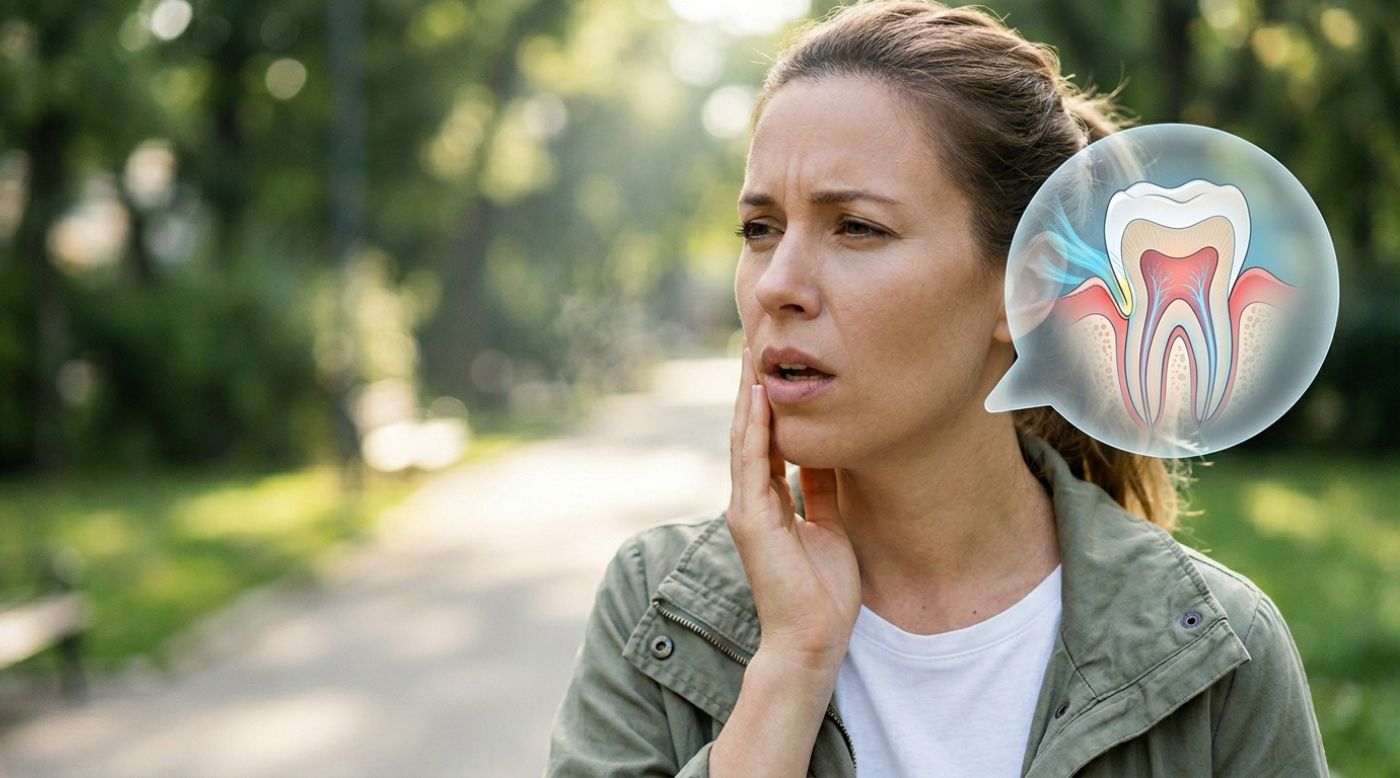
However, you should become attentive if complaints persist or worsen. Frequent dry mouth, recurring bad breath, sensitive teeth, or increased plaque can be signs that other factors are at play.
Bleeding gums, pain when eating and drinking, or noticeable changes in the mucous membranes should also be taken seriously. In such cases, a dental examination is advisable to identify possible causes early. Sometimes, not only training habits are behind it, but also other influences such as medication, metabolic changes, or existing dental problems.
Regular physical activity is part of a healthy lifestyle and offers numerous benefits for the entire body. At the same time, exercise temporarily changes the conditions in the oral cavity. Fluid loss, mouth breathing, and certain drinks can affect the oral environment and impact teeth, gums, and mucous membranes. Those who drink enough, pay attention to careful oral hygiene, and take possible warning signs seriously can support their oral health in the long term, even with intensive training. If symptoms persist, a dental examination helps to clarify the cause reliably.